Choosing the Right Cable for Harsh Environments: A Guide for Oil & Gas Projects
In the oil & gas industry, cable failure isn’t just inconvenient—it’s dangerous and expensive. Offshore rigs, refineries, and drilling platforms demand rugged, compliant, and long-lasting cable solutions. This guide will help you understand how to choose the right cable for harsh environments, and how trusted electrical cable suppliers can support your project’s success.
Why Cable Selection Matters in Oil & Gas
Oil and gas environments subject cables to:
- Extreme temperatures
- High pressure and humidity
- Chemical exposure
- UV radiation and saltwater
- Heavy mechanical stress
Without the right cable, you risk downtime, fire hazards, non-compliance, and major financial loss. The right supplier can ensure you get cables that are tested and certified for these conditions.
Key Considerations When Choosing Industrial Cables
1. Temperature Resistance
Oil & gas operations often involve temperature extremes. Choose cables with:
- Heat-resistant insulation (like XLPE or silicone rubber)
- Cold-flexibility ratings for arctic conditions
2. Chemical and Oil Resistance
Cables must resist hydrocarbons, solvents, and corrosive chemicals. Look for:
- TPU or TPE outer jackets
- Verified oil-resistant standards (e.g., UL Oil Res I & II)
3. Flame Retardancy
Use cables that are:
- LSZH (Low Smoke Zero Halogen)
- Flame-tested per IEC 60332, IEEE 1202, or UL 1685
4. Mechanical Strength
In physically demanding locations, select:
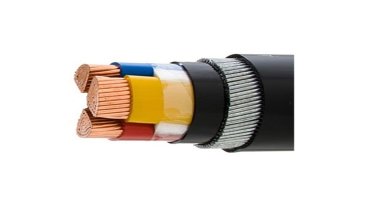
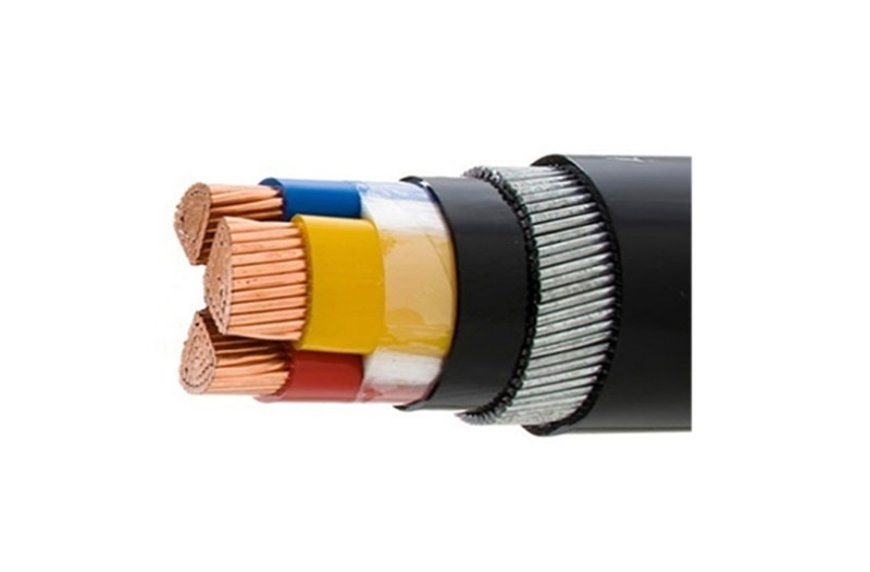
- Armored cables (e.g., galvanized steel wire armor)
- Cables with abrasion- and crush-resistant jackets
5. Water and Moisture Protection
For offshore or underground settings:
- Use cables with water-blocking materials
- Consider submersible-rated cable constructions
Types of Cables Commonly Used in Oil & Gas
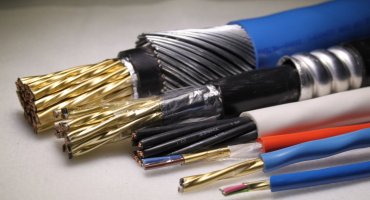
Instrumentation Cables – For process control and monitoring
Power Cables – For high-voltage and low-voltage systems
Control Cables – Ideal for automated systems and PLCs
Marine and Offshore Cables – Built for saltwater and UV resistance
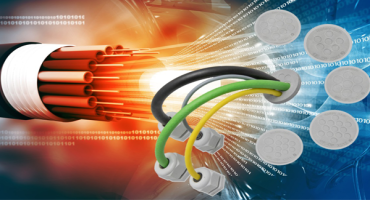
Fiber Optic Cables – For fast and interference-free data communication
Why Work With Trusted Electrical Cable Suppliers?
The best suppliers do more than sell wire—they provide value-added services like:
- Expert engineering support
- Project-specific cable design
- Fast, global logistics
- Stock of certified cables for oil & gas standards
- Documentation and testing reports
By partnering with experienced electrical cable suppliers, you reduce risk, speed up project timelines, and ensure safety and reliability in every cable run.
Choosing the right cable for harsh environments isn’t optional in the oil & gas sector—it’s essential. From high temperatures to chemical exposure and mechanical stress, only the highest-quality, properly certified cables should be used. Reliable electrical cable suppliers will help you meet regulations, avoid downtime, and extend the life of your installations.